Insider’s Guide to US Public University Admissions: Boosting Your Application by 15% for Fall 2026
The journey to higher education in the United States is often perceived as a labyrinth of applications, essays, and deadlines. For prospective students eyeing Fall 2026, the landscape of US Public University Admissions can seem particularly daunting. However, with the right strategies and an insider’s perspective, you can significantly boost your application’s appeal, potentially increasing your chances of acceptance by a remarkable 15% or more. This comprehensive guide will dissect the critical components of a successful application, offering actionable advice to help you stand out in a competitive pool.
Public universities in the US offer an incredible array of academic programs, diverse communities, and often more accessible tuition rates compared to their private counterparts. Understanding their unique admissions criteria and what they truly value in an applicant is your first step towards securing a coveted spot. Let’s embark on this journey to demystify the process and empower you with the knowledge to craft an irresistible application.
Understanding the Landscape of US Public University Admissions
Before diving into the specifics, it’s crucial to grasp the general philosophy behind US Public University Admissions. Unlike some systems that rely heavily on a single exam score, American universities employ a holistic review process. This means they consider a wide range of factors beyond just your grades and test scores. They want to understand who you are as a person, what you’ve accomplished, what challenges you’ve overcome, and what you will contribute to their campus community. This holistic approach is both a challenge and an opportunity, allowing you to showcase your unique strengths.
The Holistic Review: What It Really Means
The term ‘holistic review’ is often thrown around, but what does it truly entail for US Public University Admissions? It means admissions officers are looking for a cohesive narrative that paints a complete picture of you. They’ll evaluate:
- Academic Performance: Your GPA, course rigor (AP, IB, honors classes), and performance in subjects related to your intended major.
- Standardized Test Scores: SAT or ACT scores (though many universities are test-optional, strong scores can still enhance your application).
- Essays and Personal Statements: Your ability to communicate effectively, demonstrate self-reflection, and convey your personality and aspirations.
- Extracurricular Activities: Your involvement in clubs, sports, volunteering, leadership roles, and part-time jobs, showing your passions and commitment.
- Letters of Recommendation: Insights from teachers and counselors who know you well, providing external validation of your character and abilities.
- Supplements and Interviews: Additional essays or optional interviews that allow you to further articulate your interest in a specific institution or program.
Each of these components plays a vital role. Neglecting any one area can weaken your overall application. For Fall 2026, it’s imperative to start planning early to ensure each piece of your application shines.
Crafting an Irresistible Academic Profile
Your academic record is the foundation of your application. While past grades cannot be changed, you can strategically plan your remaining coursework and demonstrate an upward trend. This is particularly important for US Public University Admissions, where academic rigor is highly valued.
Course Rigor and GPA: Beyond the Numbers
Admissions committees don’t just look at your GPA; they scrutinize the difficulty of your coursework. Taking challenging courses like Advanced Placement (AP), International Baccalaureate (IB), or dual enrollment classes signals your intellectual curiosity and readiness for college-level work. If your school offers these options, seize them. Even if your GPA in an AP class is slightly lower than in a regular class, the admissions committee will often view the more rigorous course favorably.
- Show an Upward Trend: If your grades weren’t stellar in earlier years, demonstrate significant improvement in your junior and senior years. This shows growth and dedication.
- Focus on Core Subjects: Excel in English, Math, Science, Social Studies, and Foreign Language. These are fundamental to university success.
- Align with Your Major: If you’re interested in engineering, strong performance in advanced math and science courses is crucial. For humanities, robust writing and analytical skills are key.
Standardized Test Scores: To Submit or Not to Submit?
The test-optional movement has gained significant traction, especially in US Public University Admissions. Many universities no longer require SAT or ACT scores. However, a strong score can still be a valuable asset, particularly if it complements your GPA. If your scores are competitive (check the median scores for your target universities), submitting them can bolster your application. If your scores are not reflective of your academic abilities or are below the average for admitted students, consider applying test-optional. Research each university’s specific policy carefully for Fall 2026.
The Power of the Personal Essay: Your Voice Matters
The essay is arguably the most personal and impactful part of your application. It’s your opportunity to speak directly to the admissions committee, showcasing your personality, values, and unique perspective. A compelling essay can differentiate you from hundreds of other applicants with similar academic profiles, making it a critical component for US Public University Admissions.
Crafting a Memorable Narrative
Admissions officers read thousands of essays. Yours needs to be memorable. Avoid clichés and generic statements. Instead, focus on a specific anecdote or experience that reveals something profound about you. This isn’t a resume in prose; it’s a window into your character.
- Be Authentic: Write about something you genuinely care about. Your passion will shine through.
- Show, Don’t Tell: Instead of saying you are resilient, describe a time when you faced a challenge and how you overcame it.
- Answer the Prompt: While creativity is encouraged, make sure you directly address the essay prompt.
- Proofread Meticulously: Typos and grammatical errors can detract from even the most brilliant ideas. Get multiple people to read your essay.

Supplements: Tailoring Your Application
Many public universities require supplemental essays, often asking why you want to attend their specific institution or major. These are not optional; they are a critical opportunity to demonstrate your genuine interest. Generic responses here are a red flag. For each supplemental essay:
- Research Thoroughly: Mention specific programs, professors, courses, clubs, or campus traditions that appeal to you. Show you’ve done your homework.
- Connect to Your Goals: Explain how the university’s resources will help you achieve your academic and career aspirations.
- Be Specific: Instead of saying ‘I love your campus,’ mention a particular research opportunity or a unique student organization.
Extracurricular Engagement: Beyond the Classroom
Your involvement outside of academics tells universities a lot about your character, leadership potential, and ability to contribute to their community. US Public University Admissions committees look for sustained commitment and genuine passion, not just a long list of activities.
Quality Over Quantity: Deeper Engagement
It’s better to have a few activities where you’ve shown deep involvement, leadership, and impact than a superficial engagement in many. Think about the ‘T-shaped’ applicant: broad interests (the top of the T) but deep expertise and commitment in one or two areas (the vertical stroke). For Fall 2026, start planning your extracurriculars now to build a strong profile.
- Leadership Roles: Holding positions like club president, team captain, or project manager demonstrates initiative and responsibility.
- Impact and Initiative: Did you start a new club? Organize a fundraiser? Mentor younger students? Quantify your impact whenever possible.
- Meaningful Hobbies: Don’t underestimate unique hobbies. A passion for coding, photography, or even competitive gaming, if pursued with dedication, can showcase valuable skills and traits.
- Community Service: Volunteering shows a commitment to making a difference. Focus on consistent involvement with a cause you care about.
- Work Experience: Part-time jobs demonstrate responsibility, time management, and maturity.
When listing your activities, use action verbs and describe your responsibilities and achievements clearly. Don’t just list ‘Member of Debate Club’; instead, write ‘Led research and presented arguments in state-level debate competitions, contributing to a 2nd place team finish.’
Securing Strong Letters of Recommendation
Letters of recommendation provide an external, objective perspective on your abilities and character. Strong letters can significantly enhance your application for US Public University Admissions. Choose your recommenders wisely and help them write the best letter possible.
Choosing Your Recommenders
Typically, you’ll need letters from 1-2 teachers and your school counselor. Select teachers who:
- Know You Well: They should be able to speak to your academic abilities, personality, and growth in their class.
- Taught You in a Core Subject: English, Math, Science, Social Studies are usually preferred.
- Can Offer Specific Examples: A generic letter is less impactful than one filled with anecdotes about your contributions in class.
For your counselor, ensure they understand your academic journey, extracurricular commitments, and future aspirations. They often provide context about your school environment and personal circumstances.
Helping Your Recommenders Help You
Don’t just ask for a letter; provide your recommenders with the resources they need to write a compelling one:
- Provide a Brag Sheet/Resume: Include your academic achievements, extracurriculars, awards, and any personal challenges you’ve overcome.
- Share Your Goals: Let them know your intended major and the types of universities you’re applying to (especially public universities).
- Highlight Key Experiences: Remind them of specific projects, discussions, or moments in their class where you excelled or demonstrated growth.
- Give Ample Time: Ask well in advance of the deadline, ideally at the end of your junior year or early in your senior year.
Demonstrating Demonstrated Interest
While not all public universities track demonstrated interest as rigorously as private institutions, showing genuine enthusiasm for a particular school can still be beneficial. For US Public University Admissions, this can sometimes tip the scales in your favor, especially at competitive state flagships.
Ways to Show You’re Invested
- Campus Visits: If possible, visit the campus. Attend information sessions and tours.
- Virtual Events: Participate in online webinars, virtual tours, and Q&A sessions if an in-person visit isn’t feasible.
- Connect with Admissions: Email admissions officers with thoughtful questions (not easily found on their website).
- Attend College Fairs: Engage with university representatives at local or virtual college fairs.
- Engage Online: Follow their social media, read their student blogs, and interact respectfully.
- Strong Supplemental Essays: As mentioned, well-researched and specific supplemental essays are a powerful way to show interest.
Remember, quality interactions are more important than quantity. A few meaningful engagements are better than many superficial ones.
Navigating the Application Process for Fall 2026
The application process itself requires careful attention to detail. Most public universities use platforms like the Common Application, Coalition Application, or their own proprietary application portals. Familiarize yourself with the requirements of each platform and each university.
Deadlines and Timelines
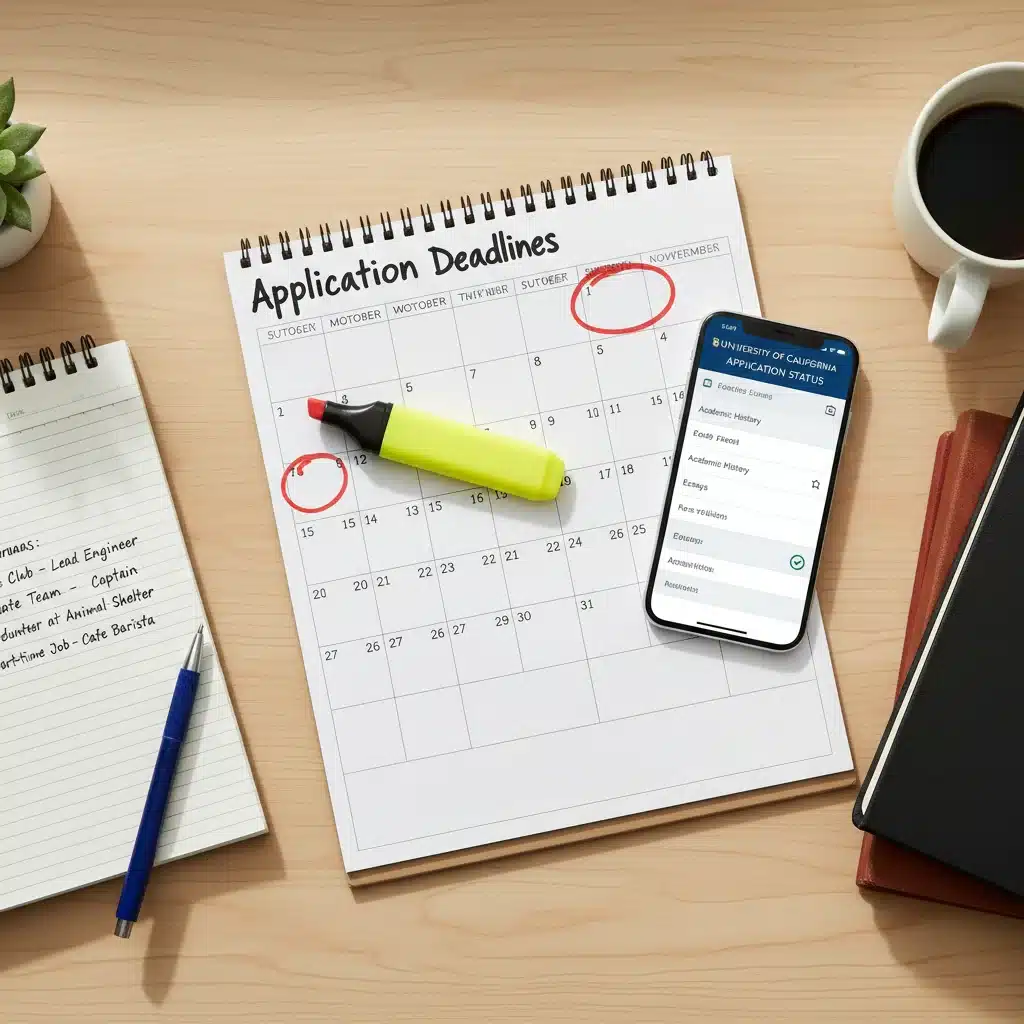
Missing a deadline is an automatic disqualifier. For Fall 2026, mark all important dates on your calendar:
- Early Action/Early Decision: Typically in October or November. Early Decision is binding, meaning if accepted, you must attend. Early Action is non-binding and can provide an earlier decision.
- Regular Decision: Usually in December or January.
- Scholarship Deadlines: Often earlier than regular decision deadlines.
Aim to submit your application well before the deadline to avoid last-minute technical glitches. This proactive approach is a hallmark of successful US Public University Admissions candidates.
The Waitlist and Deferral
Receiving a waitlist notification or a deferral from Early Action can be disheartening, but it’s not a rejection. If you’re waitlisted or deferred, you can still take action:
- Write a Letter of Continued Interest: Reiterate your strong interest in the university, update them on new achievements (grades, awards, activities), and explain why you are still a good fit.
- Send Additional Materials: If you have new test scores, awards, or a significant update, send them.
- Visit (if possible): A demonstrated interest visit can sometimes make a difference.
Financial Aid and Scholarships
For many students, the cost of attendance is a significant factor. Public universities, while often more affordable, still require substantial investment. Understanding financial aid and scholarship opportunities is vital for US Public University Admissions.
FAFSA and CSS Profile
The Free Application for Federal Student Aid (FAFSA) is the gateway to federal grants, loans, and work-study programs. The CSS Profile, used by some universities (including some public ones), provides a more detailed look at your family’s financial situation and is often required for institutional aid. Complete these forms accurately and by their respective deadlines.
Merit-Based Scholarships
Many public universities offer merit-based scholarships based on academic achievement, leadership, and specific talents. Some are automatically considered when you apply, while others require separate applications. Research each university’s scholarship opportunities thoroughly. A strong application for US Public University Admissions can also be a strong application for merit aid.
Case Studies: What Made Them Stand Out?
Let’s consider hypothetical examples of students who successfully navigated US Public University Admissions for Fall 2026:
- Student A (Academically Strong): 4.0 GPA, challenging AP courses, strong SAT scores. But what made them stand out? A compelling essay about their passion for astrophysics, detailing a self-initiated research project using open-source astronomical data, and a letter of recommendation from their science teacher highlighting their intellectual curiosity and problem-solving skills beyond the curriculum.
- Student B (Well-Rounded): Solid 3.7 GPA, good but not top-tier test scores. Their strength lay in their extracurriculars. They were president of the robotics club, volunteered at a local animal shelter for three years, and held a part-time job. Their essay connected their leadership in robotics to their desire to pursue engineering, emphasizing teamwork and practical application. Their counselor’s letter spoke to their incredible time management and dedication to their community.
- Student C (Unique Perspective): 3.5 GPA, decent test scores, but came from an underserved background. Their essay vividly described overcoming significant personal challenges, showcasing resilience and a deep commitment to education as a means of uplifting their community. They founded a peer tutoring program at their school. While their academic metrics weren’t the highest, their compelling story, demonstrated leadership, and unique perspective made them an attractive candidate for universities seeking diverse voices.
These examples illustrate that while academics are important, a strong narrative, demonstrated passion, and unique contributions are equally, if not more, impactful in the holistic review process for US Public University Admissions.
Final Tips for Fall 2026 Applicants
- Start Early: The earlier you begin preparing, the less stressful the process will be. For Fall 2026, this means thinking about your courses, extracurriculars, and essay topics now.
- Seek Guidance: Utilize your school counselor, teachers, and any college advisors. They are invaluable resources.
- Be Organized: Keep track of deadlines, requirements, and submissions for each university.
- Proofread Everything: A fresh pair of eyes can catch errors you missed.
- Be Yourself: Authenticity shines through. Don’t try to be who you think admissions officers want you to be.
- Have a Balanced List: Apply to a mix of ‘reach,’ ‘target,’ and ‘safety’ schools to maximize your chances.
Conclusion
Navigating US Public University Admissions for Fall 2026 requires a strategic, thoughtful, and authentic approach. By understanding the holistic review process, meticulously crafting your academic profile, writing compelling essays, demonstrating deep engagement in extracurriculars, securing strong recommendations, and showing genuine interest, you can significantly boost your application’s appeal. Remember, it’s not just about what you’ve done, but how you present it and what it reveals about your potential to contribute positively to a university community. With this insider’s guide, you are well-equipped to embark on your journey toward securing a spot at your dream US public university.