The pursuit of higher education in Science, Technology, Engineering, and Mathematics (STEM) fields has never been more competitive. For US high school students aiming to secure admission into top universities by 2027, the landscape is dynamic, demanding, and requires a strategic approach. This comprehensive guide delves into insider strategies designed to maximize your chances of success in STEM university admissions. We’ll explore everything from academic rigor and impactful extracurriculars to crafting compelling essays and navigating the application process with finesse. The goal is not just to get into any STEM program, but to unlock opportunities at institutions that will truly foster your intellectual growth and propel you towards a successful future in STEM.
The journey to a top-tier STEM university begins long before you hit the ‘submit’ button on your application. It’s a marathon, not a sprint, requiring consistent effort, strategic planning, and a deep understanding of what elite institutions are truly looking for. By 2027, the emphasis on a holistic review process will be even more pronounced, meaning that grades alone, while crucial, will not be sufficient. Applicants must demonstrate a genuine passion for STEM, a capacity for rigorous academic work, and a commitment to making a positive impact on the world. This article will equip you with the knowledge and actionable steps to stand out in a crowded applicant pool.
Understanding the current trends in STEM education and university admissions is paramount. Universities are increasingly looking for students who are not just academically proficient but also innovative, collaborative, and possess strong problem-solving skills. They seek individuals who can contribute meaningfully to research, engage in interdisciplinary studies, and ultimately become leaders in their respective STEM fields. Therefore, your strategy for STEM university admissions must reflect these evolving expectations. Let’s dive into the core components of a winning application.
Laying the Academic Foundation: Beyond the A+
While stellar grades are non-negotiable for STEM university admissions, the type of courses you take and the depth of your understanding are equally important. Top universities want to see that you’ve challenged yourself with the most rigorous curriculum available at your high school. This typically means excelling in Advanced Placement (AP), International Baccalaureate (IB), or dual enrollment courses in subjects relevant to STEM.
Strategic Course Selection
- Mathematics: Go beyond pre-calculus. Aim for AP Calculus AB/BC, Multivariable Calculus (if offered), and AP Statistics. A strong foundation in advanced mathematics is critical for nearly all STEM fields.
- Sciences: Take AP Biology, AP Chemistry, and AP Physics 1, 2, and C (Mechanics and Electricity & Magnetism). Don’t just take them; strive for fives on the AP exams. Consider taking multiple science subjects concurrently to demonstrate breadth and depth of interest.
- Computer Science: AP Computer Science A and Principles are highly recommended. Demonstrating coding proficiency is a significant advantage, especially for engineering and technology-focused programs.
- Beyond AP/IB: If your school offers advanced electives like organic chemistry, astrophysics, or advanced robotics, seize these opportunities. Dual enrollment courses at a local college can also show your capacity for university-level work.
Demonstrating Intellectual Curiosity
It’s not enough to simply take challenging courses; you must show a genuine intellectual curiosity for the material. This can be demonstrated through:
- Independent Study: Pursue topics beyond the curriculum. This could involve reading advanced textbooks, completing online courses from platforms like Coursera or edX, or even starting a personal project related to a STEM area of interest.
- Academic Competitions: Participate and excel in AMC (American Mathematics Competitions), AIME (American Invitational Mathematics Examination), USABO (USA Biology Olympiad), USNCO (USA National Chemistry Olympiad), F=ma (Physics Olympiad), or local/regional science fairs. These not only demonstrate your skills but also your competitive spirit and ability to apply knowledge.
- Research Opportunities: Seek out opportunities to engage in scientific research, even at the high school level. This could be through a summer program, working with a university professor, or even designing and executing your own experiment.
Impactful Extracurriculars: Beyond the Checkbox
Extracurricular activities are a critical component of your application, especially for STEM university admissions. Universities want to see how you apply your academic knowledge in real-world contexts and what kind of impact you make outside the classroom. The key here is quality over quantity, and demonstrating sustained commitment and leadership.
Deep Dive into STEM-Specific Activities
- Robotics Clubs/Teams (e.g., FIRST Robotics): These are excellent for showcasing engineering, programming, and teamwork skills. Leadership roles and significant contributions to the team’s success are highly valued.
- Science Olympiad/Science Bowl: Participation in these competitions demonstrates broad scientific knowledge and quick problem-solving abilities.
- Coding Clubs/Hackathons: Develop your programming skills and create tangible projects. Winning awards or leading projects in these areas is a strong indicator of your potential.
- Math Clubs/Competitions: Beyond the national competitions mentioned earlier, participating in and leading local math clubs demonstrates your passion.
- Research Internships/Mentorships: Securing a research position with a university professor, a local company, or a national lab is incredibly impactful. This shows initiative, hands-on experience, and a glimpse into a professional STEM environment. Even if unpaid, the experience and mentorship are invaluable.
- Personal STEM Projects: Build a drone, program an app, design a renewable energy system, or conduct an independent scientific experiment. Document your process, challenges, and outcomes. A portfolio of personal projects can speak volumes about your initiative and passion.

Leadership and Community Engagement
Universities also look for students who are well-rounded and contribute to their communities. Leadership roles within STEM clubs, tutoring younger students in math or science, or initiating a STEM outreach program in your community can significantly bolster your application. This demonstrates not only your passion for STEM but also your ability to inspire others and make a difference.
Crafting a Compelling Narrative: Essays and Recommendations
Your application essays and letters of recommendation are your opportunity to tell your unique story and articulate why you are a perfect fit for a specific STEM program. These elements are especially crucial for competitive STEM university admissions.
The Power of the Personal Essay
Your common application essay (or equivalent) should reveal your personality, intellectual curiosity, and passion for STEM in a way that grades and activities lists cannot. Avoid simply reiterating your resume. Instead, focus on:
- A Specific Anecdote: Share a moment or experience that sparked your interest in STEM, a challenge you overcame in a STEM project, or a profound realization you had while exploring a scientific concept.
- Growth and Learning: Describe what you learned from your experiences, how you grew, and how these experiences shaped your aspirations.
- Authenticity: Let your true voice shine through. Universities want to get to know the real you.
- Connecting to the Future: Briefly touch upon how your past experiences inform your future goals in STEM and how a particular university’s program aligns with those goals.
Supplemental Essays: Tailoring Your Application
Most top universities require supplemental essays. These are critical for demonstrating ‘fit’ and your specific interest in their institution. For STEM programs, these essays often ask about:
- Why this major/program? Be specific. Research professors, unique courses, research opportunities, and specialized labs at that university. Show that you’ve done your homework and that your interests align perfectly with what they offer.
- Why this university? Go beyond general statements. Mention specific programs, clubs, research centers, or faculty members that excite you.
- Your contributions: How will you contribute to their STEM community? Highlight your unique skills, experiences, and perspectives.
Letters of Recommendation: Advocates for Your Potential
Strong letters of recommendation from teachers who know you well and can speak to your abilities in STEM are invaluable. Choose teachers who:
- Taught you in advanced STEM courses: Ideally, your AP Calculus, AP Physics, or AP Computer Science teacher.
- Know your work ethic and intellectual curiosity: They should be able to provide specific anecdotes about your contributions in class, your problem-solving skills, and your passion for the subject.
- Can highlight your character: Beyond academics, they can speak to your resilience, collaboration skills, and leadership potential.
Provide your recommenders with a ‘brag sheet’ or resume, reminding them of your achievements, projects, and specific experiences that you’d like them to highlight. Give them ample time to write thoughtful letters.
Standardized Testing: A Necessary Hurdle (for now)
While some universities have adopted test-optional policies, strong SAT or ACT scores can still significantly strengthen your application for STEM university admissions. Aim for scores that are competitive for your target institutions.
SAT/ACT Strategy
- Early Preparation: Begin preparing for these tests well in advance, ideally during your sophomore year.
- Target Scores: Research the average SAT/ACT scores for admitted students at your desired STEM programs and aim to exceed them.
- Subject Tests (if applicable): If universities you’re applying to still recommend or require SAT Subject Tests (though many have phased them out), excel in Math Level 2 and a science subject (Physics, Chemistry, or Biology).
- Retake if Necessary: Don’t be afraid to retake the tests if you believe you can improve your score. Many universities superscore.
The Application Process: Precision and Strategy
Navigating the application process itself requires meticulous attention to detail and strategic timing. For STEM university admissions, every component of your application must be polished and submitted accurately.
Building Your College List
Create a balanced list of ‘reach,’ ‘target,’ and ‘safety’ schools. For STEM, consider factors like:
- Program Reputation: Research specific departmental rankings, not just overall university rankings.
- Research Opportunities: Look for universities with strong undergraduate research programs, faculty doing work that excites you, and dedicated research facilities.
- Campus Culture: Does the university foster collaboration, innovation, and a supportive learning environment for STEM students?
- Location and Resources: Consider proximity to industry, access to internships, and specialized labs or equipment.
Early Action/Early Decision
If you have a clear first-choice university and your application is strong by the early deadlines, applying Early Decision (binding) or Early Action (non-binding) can significantly increase your chances of admission. This demonstrates strong interest and commitment to the institution.
The Interview (if offered)
If you’re offered an interview, seize the opportunity. Prepare by researching the university and its STEM programs, practicing common interview questions, and formulating thoughtful questions to ask your interviewer. This is a chance to showcase your personality, passion, and communication skills beyond the written application.
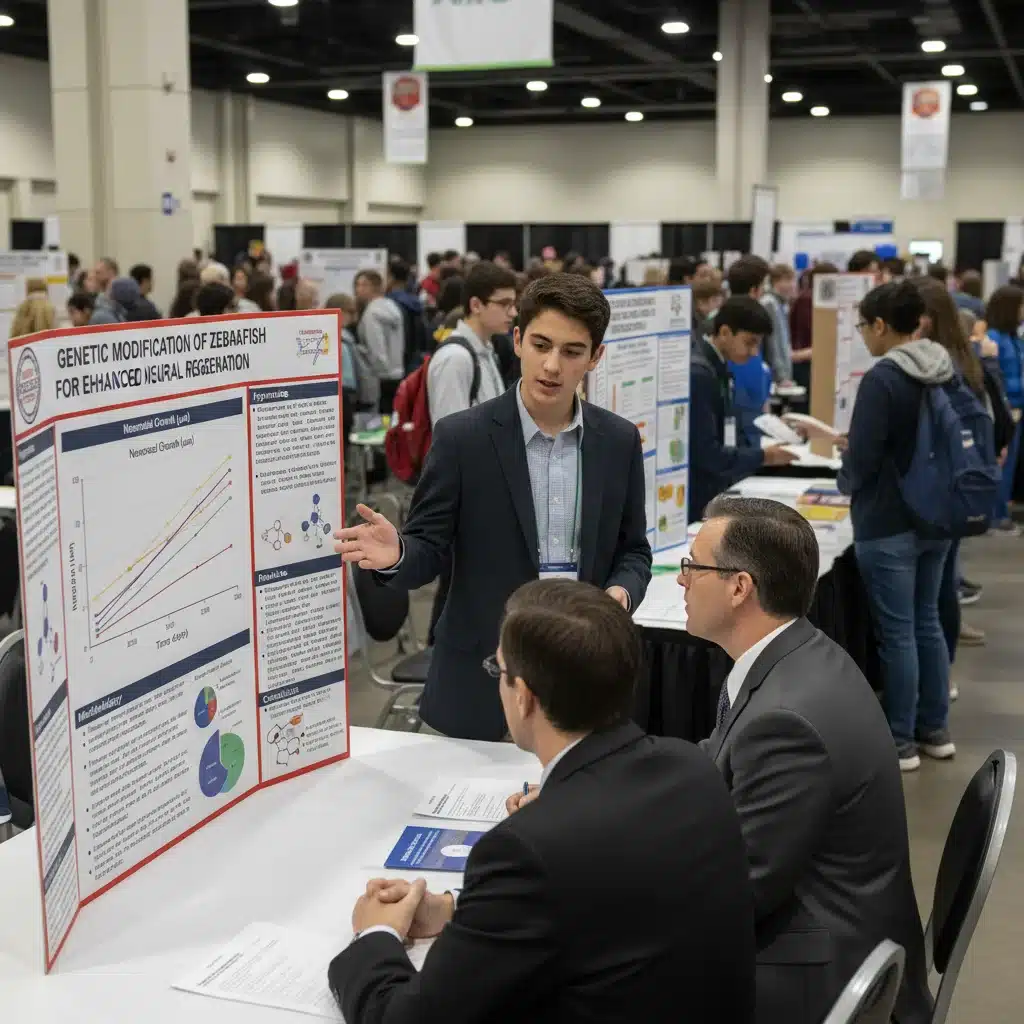
Demonstrating Genuine Passion for STEM
Beyond all the tangible achievements, what truly sets apart successful applicants for STEM university admissions is an undeniable, authentic passion for their chosen field. This passion should permeate every aspect of your application.
Connecting the Dots
Ensure that your academic choices, extracurricular activities, personal projects, and essays all tell a cohesive story about your dedication to STEM. If you’re passionate about environmental engineering, your courses might include AP Environmental Science and AP Chemistry, your extracurriculars could involve a local conservation group or a project on sustainable energy, and your essay might describe a moment when you realized the impact of human activity on the planet.
Stay Updated and Engaged
Read scientific journals, follow reputable STEM news sources, attend virtual lectures or webinars, and engage in online communities related to your interests. Being knowledgeable about current advancements and challenges in your field demonstrates a deep and ongoing commitment.
Networking and Mentorship
Seek out mentors – teachers, university professors, or professionals in STEM fields. These relationships can provide invaluable guidance, open doors to research opportunities, and offer insights into potential career paths. A strong mentor can also provide a powerful letter of recommendation.
Key Considerations for 2027 Applicants
As we look towards 2027, several trends will continue to shape the STEM university admissions landscape:
- Interdisciplinary Focus: Universities are increasingly promoting interdisciplinary studies. Highlighting how your interests span across traditional STEM boundaries (e.g., combining computer science with biology for bioinformatics) can be a significant advantage.
- Diversity and Inclusion: Institutions are actively seeking to build diverse cohorts. If you come from an underrepresented background in STEM or have unique perspectives to offer, articulate how these experiences have shaped your aspirations and how you plan to contribute to a diverse learning environment.
- Global Perspective: Demonstrating an understanding of global challenges and how STEM can address them (e.g., climate change, global health, sustainable development) can make your application more compelling.
- Ethical Considerations in STEM: As technology advances, ethical implications become more prominent. Showing an awareness of these issues and a commitment to responsible innovation can be a powerful differentiator.
Final Thoughts: Your Journey to STEM Success
Securing admission to a top STEM university by 2027 is an ambitious but achievable goal for dedicated US high school students. It requires a multifaceted approach that prioritizes academic excellence, meaningful extracurricular engagement, compelling storytelling, and strategic application planning. Remember that authenticity and passion are your greatest assets. Do not try to fit a mold; instead, showcase your unique talents, intellectual curiosity, and genuine love for STEM.
Start early, plan meticulously, and seek guidance from counselors, teachers, and mentors. Every experience, whether a challenging class, a failed experiment, or a successful competition, contributes to your growth and strengthens your application. By following these insider strategies, you can confidently navigate the competitive world of STEM university admissions and pave your way to a bright future in the fields that are shaping our world.
Good luck on your journey, and remember that persistence, curiosity, and a strategic mindset will be your most valuable tools in achieving your dream STEM university admission.