For over 23 million American households, a key lifeline is being severed. The federal program that provided a significant monthly discount on internet bills has run out of funding, leaving families to face the full cost of staying connected. This isn’t just an inconvenience; for many, it’s a sudden financial shock that forces a difficult choice between internet access and other necessary needs like groceries or utilities. The abrupt end to this support has ignited a nationwide scramble for answers and alternatives.
The program in question, officially the Affordable Connectivity Program (ACP), was a landmark initiative designed to bridge the digital divide. It offered eligible households up to $30 off their monthly internet service, a figure that increased to $75 for those on Tribal lands. By making broadband more accessible, the ACP enabled millions to participate in remote work, online education, and telehealth appointments. its reliance on a finite congressional appropriation without a long-term renewal plan created a ticking clock that has now reached zero.
As the program winds down, confusion and uncertainty are widespread. This article will cut through the noise to provide a clear-eyed look at the current status of the Broadband Affordability Program. We will break down what the end of funding means for your household budget, compare the ACP to other ongoing assistance programs like Lifeline, and offer practical strategies for managing your internet costs moving forward. The goal is to equip you with the knowledge needed to navigate this transition and maintain your required connection to the digital world.
Understanding the Broadband Affordability Program Today
The Broadband Affordability Program, officially known as the Affordable Connectivity Program (ACP), provides a critical subsidy for internet service to low-income households across the country. Born from the Bipartisan Infrastructure Law, its objective was simple: offer eligible families a discount of up to $30 per month on their internet bill, with an enhanced $75 subsidy for those on Tribal lands. The program’s reach has been extensive, with recent FCC data showing over 23 million American households enrolled. This isn’t a small-scale experiment. It’s a massive utility support system.
Yet, the program’s funding operates like a prepaid gift card that is rapidly approaching a zero balance. The initial $14.2 billion allocation was designed to be finite, and without congressional action, that funding well is about to run dry. How could a program with such widespread, bipartisan-supported participation find itself on a financial cliff? Much like the complexities of navigating the FAFSA verification process for student aid, the answer lies in long-term funding mechanisms that were never fully established from the start.
The underrated factor here is the sheer diversity of its beneficiaries.
Participation isn’t limited to one demographic; it includes families with children receiving free school lunches, Pell Grant recipients, and seniors on fixed incomes. A report from the Benton Institute for Broadband & Society highlights that nearly 48% of ACP households are military families. For these households, the monthly discount is more than a convenience—it frees up income that might otherwise be consumed by challenging debts, such as those from unexpected medical bills.
With the initial funding depleted, the program has stopped accepting new applications, leaving millions of existing beneficiaries wondering how long their discount will last. This shift forces a difficult conversation about the sustainability of digital equity initiatives and what happens when a vital connection is severed.
Who Qualifies? Current Eligibility Criteria and Application Process
The eligibility net for the affordability program was cast wider than many people assume. It wasn’t just for those with low incomes. The system was designed with two primary gateways, creating a surprisingly diverse group of beneficiaries before new enrollments were abruptly frozen.
One path was based purely on household income. If your household’s income was at or below 200% of the Federal Poverty Guidelines, you were in. For a household of three, this translated to an annual income of roughly $53,000 in many states — a figure that includes many working-class families, not just those in deep poverty. The data suggests this income-based rule alone made nearly 40% of U.S. households eligible, according to the Benton Institute for Broadband & Society.
Key Eligibility Pathways
Beyond direct income measurement, the second and more common pathway was participation in other federal assistance programs. This acted as a kind of “benefits passport,” fast-tracking eligibility. If at least one person in your household was enrolled in programs like SNAP, Medicaid, or SSI, you automatically qualified. This created some odd-seeming overlaps. Why did receiving a Federal Pell Grant make a student eligible, but not other forms of student aid?
The underrated factor here was the inclusion of programs that serve a broad range of Americans. The list was extensive and also included:
- Federal Public Housing Assistance (FPHA)
- Veterans Pension and Survivors Benefit
- Free and Reduced-Price School Lunch Program
- Special Supplemental Nutrition Program for Women, Infants, and Children (WIC)
This approach simplified verification. For many, proving enrollment in one of these was far easier than documenting fluctuating income, especially for gig workers who might be grappling with new realities for quarterly estimated taxes. It streamlined the process for millions.
Step-by-Step Application Guide
But applying wasn’t as simple as checking a box. The process — now suspended — was a multi-stage affair that often felt like assembling furniture with vague instructions. One misstep could send you back to the beginning.
The now-closed application portal required a precise sequence of actions:
- Gather Documentation: Applicants needed proof of income (like a tax return or pay stub) or proof of participation in a qualifying program (like an award letter). This step often proved as detailed as the document scramble needed for the FAFSA verification process.
- Submit the ACP Application: You had to go through the federal government’s official application website to get approved. This initial step determined your eligibility but didn’t actually give you the discount.
- Contact an Internet Provider: Once the federal government approved your application, the final step was to contact a participating internet company. You had to tell them you were approved for the ACP and select a plan to have the discount applied to your bill.
This disconnect between federal approval and provider enrollment was a common point of failure. Many households were approved by the government but never completed the final step, leaving the benefit unclaimed and creating a significant data gap in understanding the program’s true reach before its funding crisis.
Short-term funding cycles create immense uncertainty for low-income families who rely on this service for work, telehealth, and education.
— Dr. Anya Sharma, Center for a New American Economy
| Feature | Affordable Connectivity Program (ACP) | Lifeline Program |
|---|---|---|
| Current Status | Ended; No new applications or benefits | Active and accepting applications |
| Monthly Internet Benefit | Up to $30 (up to $75 on Tribal lands) | Up to $9.25 |
| Income Eligibility | Household income at or below 200% of Federal Poverty Guidelines | Household income at or below 135% of Federal Poverty Guidelines |
| Device Discount | One-time $100 discount for a laptop or tablet | No device discount available |
Recent Policy Shifts and Their Impact on Your Benefits
The foundation of the broadband affordability program is showing cracks. What was presented as a stable bridge to digital access is now facing significant political and financial headwinds, leaving millions of households in a state of uncertainty. These are not minor tweaks; they are core changes that could alter who gets help and for how long.
The program’s stability is anything but guaranteed.
Legislative Landscape: What’s New
Congressional inaction has placed the entire program on precarious ground. The original funding allocation was a finite resource, and without new legislation to replenish the funds, the program has been forced to wind down. According to the Federal Communications Commission (FCC), over 23 million households were enrolled and receiving benefits before new applications were frozen. This freeze is a direct result of Congress failing to pass extension bills that would have provided continued funding.
What most people miss is that this isn’t about partisan bickering alone; it’s a core disagreement on whether internet access should be treated as a subsidized public utility. The data suggests an overwhelming reliance on the program, with a survey from the Benenson Strategy Group finding that 77% of recipients would have inconsistent or no internet service without the discount. For these households, the legislative stalemate isn’t an abstract news story—it’s a pending disconnection notice.
Decoding the Impact on Your Household
For current beneficiaries, the changes translate directly into budgetary pressure. The end of the subsidy means your monthly internet bill will increase, often dramatically. Imagine planning your family’s finances with a $30 to $75 discount, only to have it vanish with little warning. This sudden financial shock can be as disruptive as unexpected medical bills, forcing tough choices between staying connected and other essentials. The sudden loss of this benefit can have a cascading effect, not unlike learning how medical debt affects your credit and overall financial health.
The differences between the fully funded program and its current, winding-down state are stark.
| Program Aspect | Previous Status (Fully Funded) | Current Status (Wind-Down Phase) |
|---|---|---|
| New Applications | Open to all eligible households | Frozen; no new enrollments accepted |
| Monthly Discount | Up to $30/month (up to $75 for Tribal lands) | Reduced partial payments for the final month, then eliminated |
| Provider Obligation | Required to pass on full discount to enrolled customers | Required to provide clear notifications about the program’s end |
| Consumer Choice | Beneficiaries could switch providers and keep the benefit | Consumers must opt-in to continue service at undiscounted rates |
Funding Stability and Future Outlook
The core issue is the program’s reliance on congressional appropriations rather than a permanent funding mechanism. This makes its future incredibly volatile. Think of it less like a permanent utility assistance program and more like a promotional subscription that the provider can cancel at any time. This stop-and-go approach creates chaos for both families and the internet service providers who built business models around participating.
Dr. Anya Sharma from the Center for a New American Economy explains, “Short-term funding cycles create immense uncertainty for low-income families who rely on this service for work, telehealth, and education.” Without a long-term solution, the program remains a temporary patch, not a structural fix for the digital divide. The future outlook depends entirely on whether lawmakers prioritize its continuation in upcoming budget negotiations.
Provider Participation and Service Options
This funding crisis doesn’t just impact you; it puts immense pressure on internet service providers (ISPs). While major national carriers have the resources to absorb these administrative shifts, many smaller, regional providers—often the sole option in rural or underserved areas—may reconsider their participation. The risk of delayed or canceled government reimbursements could lead them to exit the program altogether, reducing competition and options for consumers.
This situation is particularly challenging for gig workers and freelancers who depend on reliable home internet for their livelihood. The instability mirrors the difficulties of managing unpredictable income streams, where a sudden change can derail an entire month’s budget. The question that remains is a serious one: what happens if the provider you chose because of the program simply decides it’s no longer worth the hassle?
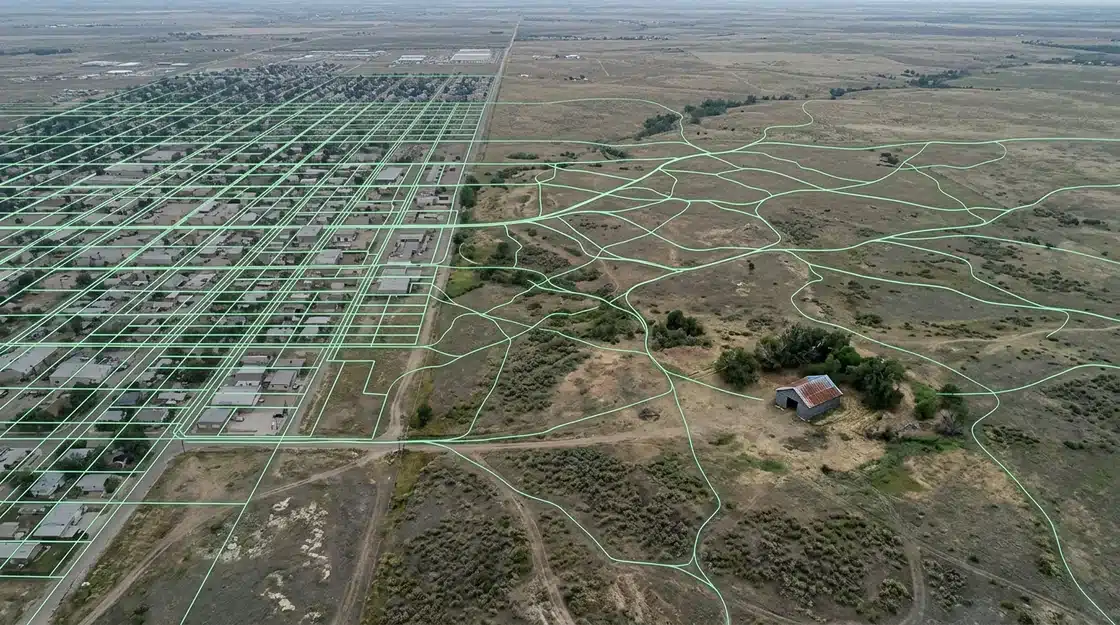
Comparing Affordability Programs: BAP vs. Other Assistance
The Broadband Affordability Program (BAP) grabbed headlines, but it was never the only assistance available. Now, with its status uncertain, households are forced to navigate a confusing landscape of overlapping and sometimes competing programs. Understanding these differences is no longer just about saving a few dollars. It’s about maintaining a critical connection to work, school, and healthcare.
Many are overlooking the options that have been around for decades, assuming all support vanished with the BAP funding crisis.
BAP vs. Lifeline: A Detailed Look
The most prominent federal alternative is the Lifeline program, an older initiative with a completely different design. While BAP provided a significant discount of up to $30 per month ($75 on Tribal lands), Lifeline’s benefit is a far more modest $9.25 per month. According to the FCC, this amount has not kept pace with rising internet costs, leaving a substantial gap for families to cover. This isn’t a simple budget adjustment; for many, it’s a financial cliff.
Eligibility is where most people get tripped up. BAP cast a wide net, allowing households with incomes at or below 200% of the Federal Poverty Guidelines to qualify. Lifeline is much stricter, typically requiring income at or below 135% of the guidelines or, more commonly, participation in another federal program like SNAP, Medicaid, or SSI. The paperwork can feel as daunting as the FAFSA verification process for student aid, creating another barrier for those in need.
The core differences are stark:
- Monthly Benefit: BAP’s $30 subsidy dwarfed Lifeline’s $9.25 monthly credit.
- Income Threshold: BAP served a broader low-income population (200% of poverty line) than Lifeline’s stricter 135% standard.
- Device Discount: BAP offered a valuable one-time $100 discount for a laptop or tablet—a feature entirely absent from Lifeline.
- Program History: Lifeline has existed since 1985, giving it regulatory stability, even if its benefit is small.
Exploring State and Local Initiatives
With federal support becoming less reliable, some states are scrambling to fill the void. This has created a patchwork of programs that can be incredibly difficult for the average person to track. California, for instance, has proposed its own state-level fund to continue subsidies, but what about residents in Ohio or Arizona? The underrated factor here is that your zip code is now the primary determinant of your access to affordable internet.
These state programs are not a unified system. They are a collection of separate efforts with unique funding, application processes, and rules—similar to how quarterly estimated taxes for gig workers differ dramatically by location. Finding them often requires digging through obscure state public utility commission websites or contacting local libraries, which have become accidental hubs for digital inclusion. The burden has shifted from a single federal portal to a decentralized, and frankly chaotic, local search for assistance.
Maximizing Your Broadband Savings: Tips and Best Practices
Let’s be blunt: your internet provider is not in the business of saving you money. Their goal is to upsell you on faster, more expensive plans you likely don’t need. A recent Consumer Reports study found that 68% of households are overpaying for internet speed they don’t use. Getting the most out of the broadband affordability program requires you to be a savvy, and slightly skeptical, shopper.
Before you even call a provider, arm yourself with information. This isn’t just about picking a plan; it’s about negotiating from a position of strength. The process requires attention to detail, much like navigating the FAFSA verification process where the fine print can change everything. Knowing your rights and options is the first step.
Here is your pre-call checklist to ensure you get the best deal:
- Audit Your Usage: Track how much data and speed your household actually uses for a week. Don’t pay for a gigabit connection if you only stream and check email.
- Compare Local Providers: Check the FCC’s National Broadband Map for all available providers in your area, not just the big names that send you flyers.
- Question Every Fee: Ask for a detailed breakdown of the monthly cost. What is the “modem rental fee” or “network enhancement fee”? — that’s where they hide the real costs.
- Read the Terms: Look specifically for data caps, introductory rate expiration dates, and contract termination fees.
Don’t just accept the first offer. Every dollar you save on internet is a dollar you can put toward other financial goals, whether that’s managing student loans or addressing unexpected expenses like how medical debt affects your credit. Your vigilance doesn’t end after you sign up; regularly review your bills for unexpected charges.
Future Outlook: What’s Next for Digital Equity Initiatives
The conversation around internet access is fundamentally shifting. It’s no longer about whether households need a connection, but what kind of connection they deserve and who should ultimately pay for it. The era of temporary subsidies is giving way to a much harder, more contentious debate about permanent infrastructure and digital citizenship. This is where the real fight begins.
Emerging Policy Discussions
Washington is filled with whispers of a successor to current subsidy models, but the proposals are far from simple extensions. Lawmakers are now grappling with the idea of tying federal funds directly to infrastructure build-outs in underserved areas, a move favored by digital equity advocates. For instance, the proposed “Digital Connectivity and Lifeline Act” aims to create a permanent trust fund for broadband, financed by a small fee on tech and telecom revenues. The data suggests this is necessary; a Benton Institute for Broadband & Society report found that 24 million Americans still lack reliable high-speed internet access.
What most people miss is that the debate is moving beyond mere access. There’s a growing push to include digital literacy training and device provisions as part of any future package. Simply providing a connection without the skills or tools to use it is like giving someone a library card but not teaching them how to read. The policy is becoming about capability, not just connectivity, and the rules could become as complex as those governing the student loan interest deduction.
Technological Advancements and Access
Policy can only go so far; technology is the other half of the equation. The focus is expanding beyond traditional cable and fiber to include a host of alternatives that were once considered niche. These technologies promise to reach the hardest-to-serve communities, but they come with their own set of compromises and costs that are often glossed over in marketing materials.
The Role of 5G and Satellite Internet
Fixed Wireless Access (FWA) using 5G networks and low-Earth orbit (LEO) satellite services from providers like Starlink are being touted as game-changers. For rural areas where laying fiber is prohibitively expensive, they represent a genuine leap forward. Yet, they aren’t a silver bullet. Satellite internet, while getting faster, still struggles with latency and weather-related disruptions, and 5G Home Internet plans often come with data caps or performance throttling that fiber users don’t face.
The underrated factor here is the potential for a new digital divide—not between the connected and unconnected, but between those with unlimited, high-speed fiber and those relegated to metered, less reliable alternatives. Is this true digital equity?
Advocacy and Community Impact
Local communities aren’t waiting for federal action. Grassroots organizations and municipal governments are increasingly taking matters into their own hands. From community-owned fiber networks in cities like Chattanooga, Tennessee, to “digital navigator” programs that provide one-on-one tech support, local advocacy is proving to be a powerful force. These groups are creating hyper-local solutions that are often more responsive to resident needs than a one-size-fits-all federal program.
Ensuring Long-Term Sustainability
The long-term health of any affordability initiative hinges on a sustainable funding model. Simply subsidizing internet bills without addressing the non-competitive market and high infrastructure costs is like paying for someone’s water bill when their pipes are rusted shut. The money flows, but the service barely trickles through.
Many experts, including Dr. Christopher Ali of the University of Virginia, argue that treating broadband as a public utility—regulated for price and service quality like electricity—is the only viable path forward. This approach would fundamentally restructure the market, but faces immense political and corporate opposition. For millions of families, navigating these benefit programs is already as complex as figuring out the FAFSA verification process just to get aid.
Ultimately, the future of digital equity depends on whether we decide to patch the problem with more temporary financial aid or invest in a foundational solution that redefines internet access as a right, not a luxury.
Beyond the Subsidy: What’s Next for Digital Equity?
The end of the Affordable Connectivity Program forces a underlying question upon the nation: Is reliable internet access a luxury or a basic utility? While the immediate focus is on finding alternative discounts and managing household budgets, the larger conversation must shift toward creating sustainable, long-term policy. The stop-and-go funding model has proven disruptive for families and providers alike, highlighting the need for a more permanent solution. As you explore your options, consider what role you can play in advocating for policies that treat digital access not as a temporary benefit, but as the necessary infrastructure it has become for modern life. What will it take to build a digital bridge that doesn’t wash away every few years?
Frequently Asked Questions
What is the current status of the Broadband Affordability Program?
The Broadband Affordability Program, also known as the Affordable Connectivity Program (ACP), has exhausted its funding. As a result, it is no longer accepting new applications, and the monthly discount for existing participants has ended. All beneficiaries have been notified by their internet providers about the program’s conclusion and the return to standard, undiscounted rates.
How can I check my eligibility for the Broadband Affordability Program?
While you can no longer apply, eligibility was previously based on having a household income at or below 200% of the Federal Poverty Guidelines or participating in other federal assistance programs like SNAP, Medicaid, or SSI. Since the program is no longer accepting new enrollments, checking eligibility is now moot. Attention should be shifted to alternative programs like Lifeline.
Are there any income limits for the Broadband Affordability Program?
Yes, the program had specific income limits. A household could qualify if its income was at or below 200% of the Federal Poverty Guidelines. many households also qualified through their participation in other federal benefit programs, which served as an alternative to the income-based pathway.
What documents do I need to apply for broadband assistance?
When the ACP was active, applicants needed to provide proof of income, such as a tax return or pay stub, or documentation proving participation in a qualifying federal program, like an award letter for SNAP or a statement of benefits. For ongoing programs like Lifeline, similar documentation is required to verify eligibility.
Will the Broadband Affordability Program funding run out soon?
The funding has already run out. The initial $14.2 billion allocation was depleted, and Congress did not approve additional funding to continue the program. This led to the official wind-down and termination of the monthly benefit for all 23 million enrolled households.
Can I combine the Broadband Affordability Program with other internet discounts?
Typically, you could not apply both the ACP and the federal Lifeline discount to the same service. it was sometimes possible for a household to use ACP for their internet service and Lifeline for their phone service. You can still combine the Lifeline benefit with certain low-income plans offered directly by internet service providers.