Bridging Post-Pandemic Learning Gaps: A 5-Step Educator’s Guide for US Schools in 2026
The landscape of education has undergone profound shifts in recent years, with the COVID-19 pandemic leaving an indelible mark on student learning and well-being. As we navigate towards 2026 and beyond, US educators face the critical challenge of effectively addressing and bridging the post-pandemic learning gaps that have emerged. These aren’t merely academic deficits; they encompass social-emotional development, executive functioning skills, and overall engagement. This comprehensive guide provides a practical, 5-step framework designed to equip educators with the strategies and insights needed to foster a robust and equitable recovery.
The disruption caused by school closures, remote learning, and the pervasive stress of a global health crisis has created a complex web of challenges. Students, irrespective of their socio-economic backgrounds, have experienced varying degrees of learning loss, disengagement, and emotional distress. Recognizing the multifaceted nature of these challenges is the first step towards developing targeted and effective interventions. Our focus is not just on catching up, but on building a more resilient, adaptive, and student-centered educational system for the future. By implementing these five steps, schools can create environments where every student has the opportunity to thrive academically, socially, and emotionally.
Understanding the Scope of Post-Pandemic Learning Gaps
Before diving into solutions, it’s crucial to fully grasp the breadth and depth of post-pandemic learning gaps. These gaps extend far beyond traditional academic subjects like math and reading. While declines in standardized test scores have been widely reported, the impact on students’ holistic development is equally significant. Many students struggled with maintaining routines, developing self-regulation skills, and engaging in collaborative learning during periods of remote instruction. The digital divide also exacerbated existing inequalities, with students from underserved communities often lacking access to reliable internet, devices, or adequate home learning environments.
Furthermore, the social and emotional toll of the pandemic cannot be overstated. Increased anxiety, depression, and social isolation have impacted students’ ability to focus, engage with peers, and form meaningful connections with educators. These social-emotional learning (SEL) deficits directly affect academic performance and overall school climate. Addressing these underlying factors is paramount to any successful strategy for bridging post-pandemic learning gaps. Educators must adopt a holistic perspective, acknowledging that a child’s emotional state is intricately linked to their capacity for learning.
Another crucial aspect is the variability of these gaps. Not all students have been affected equally, and even within the same classroom, the needs can be incredibly diverse. Some students may have thrived in remote settings, while others may have fallen significantly behind. This necessitates highly individualized approaches rather than one-size-fits-all solutions. Data-driven decision-making becomes essential for identifying specific areas of need and tailoring interventions accordingly. Understanding these nuances is the foundation upon which effective strategies for overcoming post-pandemic learning gaps can be built.
Step 1: Comprehensive Assessment and Data-Driven Identification
The first critical step in addressing post-pandemic learning gaps is to conduct comprehensive assessments to accurately identify where students are in their learning journey. This isn’t about punitive testing; it’s about diagnostic assessment that provides actionable insights. Traditional standardized tests can offer a broad overview, but they often lack the granularity needed to pinpoint specific skill deficits or social-emotional needs. Educators should leverage a variety of assessment tools, including formative assessments, curriculum-based measures, and informal observations.
Key Strategies for Assessment:
- Diagnostic Assessments: Utilize specialized assessments that can identify specific foundational skill gaps in subjects like reading comprehension, mathematical reasoning, and writing. These should be administered early in the school year and periodically thereafter.
- Formative Assessments: Integrate low-stakes, ongoing assessments into daily instruction. Quizzes, exit tickets, classroom discussions, and observation of student work provide real-time feedback on understanding and progress.
- Social-Emotional Learning (SEL) Screeners: Implement age-appropriate SEL screeners to identify students who may be struggling with anxiety, depression, or difficulty regulating emotions. These can be invaluable for connecting students with necessary support services.
- Teacher Observations and Anecdotal Records: Teachers spend the most time with students and can gather rich qualitative data through careful observation of classroom participation, peer interactions, and engagement levels. Documenting these observations provides a holistic view.
- Student Self-Reflection: Encourage students to reflect on their own learning and well-being. This not only builds metacognitive skills but also provides educators with valuable insights into students’ perceptions of their own challenges and strengths.
Once data is collected, the next crucial phase is data analysis. Schools should establish clear protocols for reviewing assessment results, identifying patterns, and pinpointing individual student needs. This often involves collaborative teams of teachers, special education staff, and school psychologists. The goal is to move beyond simply identifying a gap to understanding the root causes and specific areas requiring intervention. This data-driven approach ensures that resources are allocated effectively and interventions are precisely tailored to bridge post-pandemic learning gaps.
Step 2: Prioritizing Foundational Skills and Differentiated Instruction
With a clear understanding of student needs, the second step focuses on prioritizing foundational skills and implementing highly differentiated instruction. Many post-pandemic learning gaps are rooted in a lack of mastery of prerequisite skills, making it difficult for students to access grade-level content. Therefore, instruction must strategically address these foundational deficits while still moving forward with the curriculum.
Strategies for Prioritization and Differentiation:
- Identify Core Standards: Schools and districts should identify the most critical learning standards for each grade level. This helps educators focus their efforts on essential knowledge and skills, preventing instructional overload.
- Targeted Interventions: Develop small-group or individual interventions specifically designed to address identified foundational gaps. This might include phonics instruction for struggling readers, number sense activities for math deficits, or explicit instruction in organizational skills.
- Tiered Instruction (RTI/MTSS Frameworks): Leverage Response to Intervention (RTI) or Multi-Tiered Systems of Support (MTSS) frameworks to provide varying levels of support based on student need. This allows for universal instruction (Tier 1), targeted small-group support (Tier 2), and intensive individualized interventions (Tier 3).
- Flexible Grouping: Continuously assess and regroup students based on their current understanding and skill levels. Flexible grouping ensures that students receive instruction at their zone of proximal development, maximizing learning.
- Personalized Learning Pathways: Utilize educational technology and adaptive learning platforms to create personalized learning pathways for students. These platforms can provide targeted practice, immediate feedback, and adjust content difficulty based on individual progress, effectively addressing diverse post-pandemic learning gaps.
- Scaffolding and Supports: Provide ample scaffolding for new concepts, gradually releasing responsibility to students. This includes graphic organizers, sentence starters, visual aids, and clear step-by-step instructions.
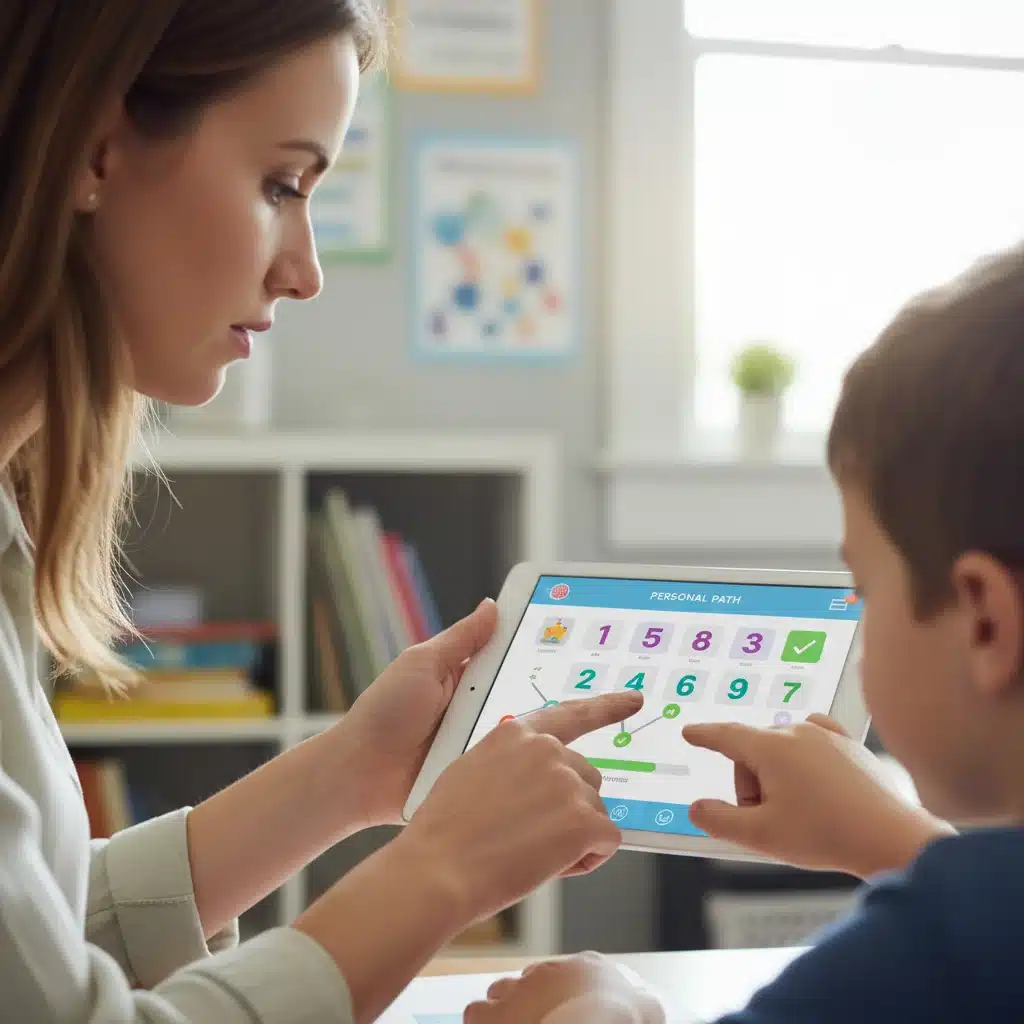
Differentiated instruction is not about creating 30 different lessons; it’s about providing multiple pathways for students to learn the same content, offering varied levels of support, and allowing for diverse forms of expression. This approach is fundamental to ensuring that all students, regardless of their starting point, can make meaningful progress in closing post-pandemic learning gaps.
Step 3: Integrating Social-Emotional Learning (SEL) and Well-being Support
Academic recovery cannot happen in a vacuum. The third crucial step is to intentionally integrate social-emotional learning (SEL) into the curriculum and provide robust well-being support. The emotional and mental health challenges stemming from the pandemic have profoundly impacted students’ capacity to learn. Addressing these needs is not an add-on; it’s a prerequisite for academic success and crucial for bridging post-pandemic learning gaps.
Key SEL and Well-being Strategies:
- Explicit SEL Instruction: Dedicate time for explicit instruction in core SEL competencies: self-awareness, self-management, social awareness, relationship skills, and responsible decision-making. This can be integrated into morning meetings, advisory periods, or specific classroom lessons.
- Trauma-Informed Practices: Train all school staff in trauma-informed practices. Understanding how trauma can manifest in the classroom helps educators respond with empathy and create a safe, predictable, and supportive environment.
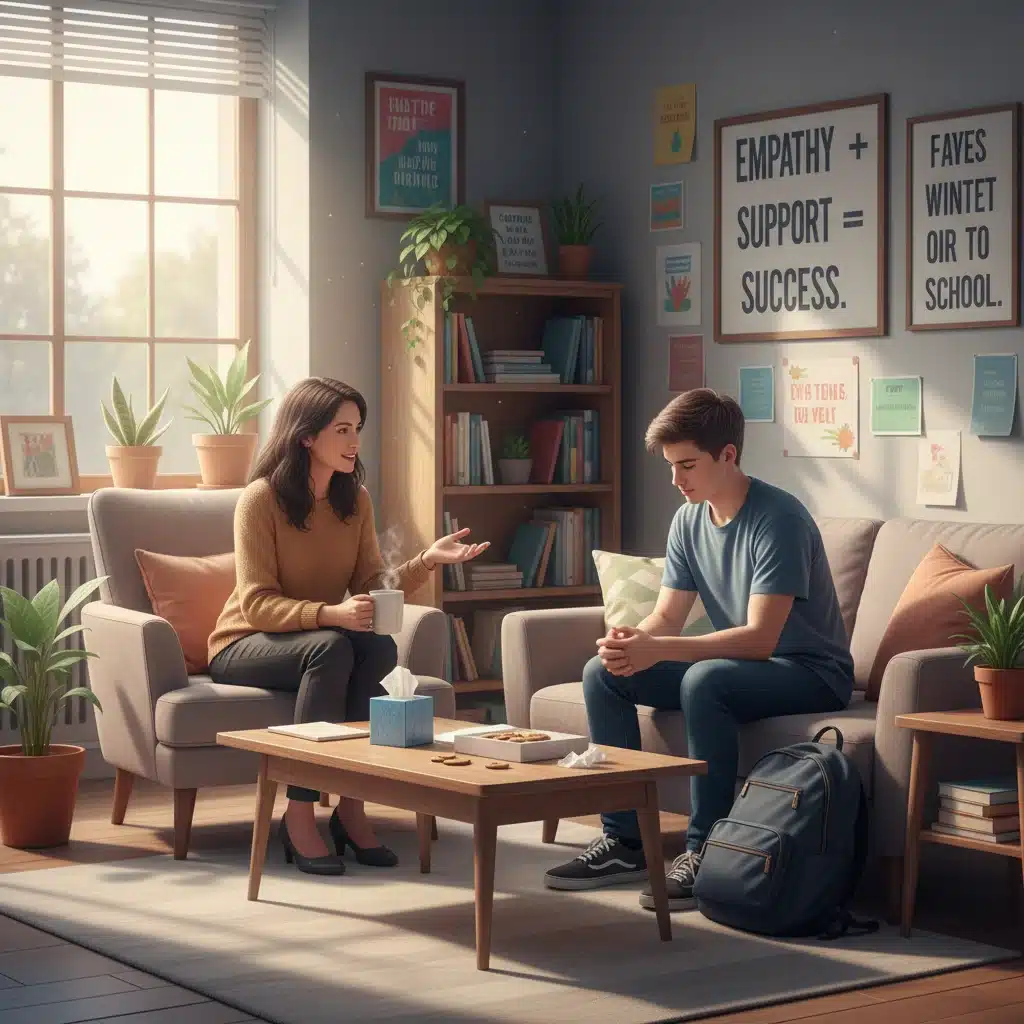
- Building Positive Relationships: Foster strong, positive relationships between students and adults. Mentorship programs, consistent check-ins, and opportunities for students to connect with trusted adults can significantly impact their sense of belonging and safety.
- Mindfulness and Stress Reduction Techniques: Introduce simple mindfulness exercises, deep breathing techniques, and other stress reduction strategies. These tools can help students regulate their emotions and improve focus.
- Access to Mental Health Professionals: Ensure students have access to school counselors, psychologists, and social workers. Schools should strengthen partnerships with community mental health services to provide a continuum of care.
- Safe Spaces and Restorative Practices: Create designated safe spaces where students can go to self-regulate. Implement restorative justice practices to address conflicts and build community, fostering a sense of belonging and psychological safety.
When students feel safe, supported, and emotionally regulated, they are far more receptive to academic instruction. Prioritizing SEL and well-being is an investment that yields significant returns in terms of academic engagement, behavior, and overall school climate. It’s an indispensable component in effectively closing post-pandemic learning gaps.
Step 4: Fostering Strong Family-School-Community Partnerships
Recognizing that learning extends beyond the school walls, the fourth step emphasizes building robust partnerships between schools, families, and the wider community. The pandemic highlighted the critical role families play in student learning and the necessity of a collaborative ecosystem to support children. Strong partnerships are vital for comprehensively addressing post-pandemic learning gaps.
Strategies for Building Partnerships:
- Open and Consistent Communication: Establish clear, consistent, and multi-channel communication with families. This includes regular updates on student progress, school events, and available resources. Utilize preferred communication methods (e.g., phone calls, emails, messaging apps, translated materials).
- Family Education and Support: Offer workshops or resources for parents on how to support learning at home, understand school-based interventions, and navigate mental health resources. Empowering families to be active partners is key.
- Community Resource Hubs: Partner with local community organizations to create resource hubs within schools or accessible to families. These can provide access to food assistance, healthcare, after-school programs, and other vital services that impact a child’s ability to learn.
- Involving Families in Decision-Making: Create opportunities for families to have a voice in school decisions, such as through parent-teacher associations, school advisory councils, or focus groups. This fosters a sense of ownership and shared responsibility.
- Cultural Responsiveness: Ensure all communication and engagement strategies are culturally responsive and respectful of the diverse backgrounds of families. Understand and address potential barriers to participation.
- Volunteer Programs: Encourage and facilitate family and community volunteerism within the school. This can provide additional support for students, enrich school programs, and strengthen community ties.
When families and communities are actively engaged, students benefit from a more cohesive and supportive learning environment. These partnerships can provide additional resources, reinforce learning at home, and ensure that students’ needs are met holistically. Collaborating with all stakeholders is essential for successfully navigating and mitigating post-pandemic learning gaps.
Step 5: Investing in Professional Development and Educator Well-being
The final, yet equally critical, step is to invest significantly in ongoing professional development for educators and prioritize their well-being. Teachers have been on the front lines of the pandemic’s educational impact, navigating unprecedented challenges and adapting rapidly. Equipping them with the necessary skills and supporting their mental health is paramount to sustaining long-term recovery efforts and addressing post-pandemic learning gaps effectively.
Professional Development and Well-being Strategies:
- Targeted Professional Learning: Provide professional development specifically focused on strategies for addressing learning gaps, differentiated instruction, diagnostic assessment, trauma-informed practices, and SEL integration. This should be ongoing and responsive to educator needs.
- Collaborative Planning Time: Allocate dedicated time for teachers to collaborate, share best practices, analyze student data, and plan interventions. Professional learning communities (PLCs) can be highly effective.
- Mentorship and Coaching: Implement mentorship programs for new teachers and provide instructional coaching for all educators. Peer support and expert guidance can enhance teaching effectiveness and build confidence.
- Reducing Workload and Burnout: Districts and school leaders must actively work to reduce unnecessary administrative burdens and provide adequate resources to prevent teacher burnout. This might include hiring additional support staff or streamlining processes.
- Access to Mental Health Resources for Staff: Ensure educators have access to mental health services, counseling, and stress-reduction programs. A healthy and supported teaching staff is better equipped to support students.
- Celebrating Successes: Regularly acknowledge and celebrate the hard work and successes of educators. Positive reinforcement and recognition contribute significantly to morale and retention.
Educators are the most vital resource in any effort to bridge post-pandemic learning gaps. By investing in their continuous growth and ensuring their well-being, schools create a sustainable foundation for educational excellence and resilience. This holistic approach recognizes that the success of students is inextricably linked to the health and expertise of their teachers.
Looking Ahead: Sustaining Progress Beyond 2026
Addressing post-pandemic learning gaps is not a one-time fix but an ongoing commitment to educational equity and excellence. As we move beyond 2026, the strategies implemented today must evolve and adapt to meet the changing needs of students. The lessons learned from the pandemic have underscored the importance of flexibility, adaptability, and a deep understanding of student well-being as central to effective education.
Sustaining progress will require continuous monitoring of student data, regular evaluation of intervention effectiveness, and a willingness to iterate on strategies. Schools must foster a culture of continuous improvement, where educators are empowered to experiment, learn from successes and challenges, and share their insights. Furthermore, advocating for sustained funding and policy support at local, state, and federal levels will be crucial to ensure that schools have the resources necessary to continue these vital efforts.
The journey to fully bridge post-pandemic learning gaps is complex and multifaceted, but by committing to these five steps – comprehensive assessment, prioritized differentiation, integrated SEL, strong partnerships, and educator support – US schools can not only recover lost ground but also emerge stronger, more equitable, and better prepared for the future of learning.
Conclusion
The challenge of post-pandemic learning gaps is significant, but not insurmountable. By adopting a strategic, comprehensive, and student-centered approach, US educators can make profound strides in supporting their students’ academic, social, and emotional recovery. The 5-step guide presented here – focusing on assessment, differentiated instruction, SEL, family partnerships, and educator well-being – offers a robust framework for action in 2026 and the years to follow. It is through these dedicated efforts, supported by collaborative communities, that we can ensure every student has the opportunity to reach their full potential and thrive in a rapidly changing world.
Let us embrace this moment as an opportunity to innovate, to strengthen our educational systems, and to reaffirm our commitment to the holistic development of every child. The future of education depends on our collective ability to heal, rebuild, and re-imagine learning in a post-pandemic era, effectively closing all post-pandemic learning gaps with compassion and expertise.